The art of #communication is important. Especially if a person has something to say, or has nothing to say
The Art of Communication

Scholar–practitioner, author, educator, and former ambassador
The art of #communication is important. Especially if a person has something to say, or has nothing to say

I believe that much of the talk about talent is heavily mythologized. Truly talented people are extremely rare (and geniuses are even rarer). The vast majority of successful individuals achieve their status not due to some inherent gift but primarily through hard work, perseverance, and, to some extent, luck.
So, talent may not be entirely a bad thing, but you’ll still have to work. And work damn hard if you want to achieve anything on this planet (ah, motivation, motivation!). A bit less if you have abilities, but even they don’t mean much on their own—you need to know how to apply, develop, and even retain them; otherwise, they quickly fade away. In short, if there’s no talent, there’s always hard work and sweat.
By the way, this is something to be glad about: if your success is based entirely—or even mostly—on talent, then there’s little personal merit in it. After all, talent is given to you from the outside, and you possess it not because of your own efforts or achievements. There’s little sense in relying on a gift that was handed to you by chance.

Being a master of detail is one of the most challenging skills. Especially in social life.
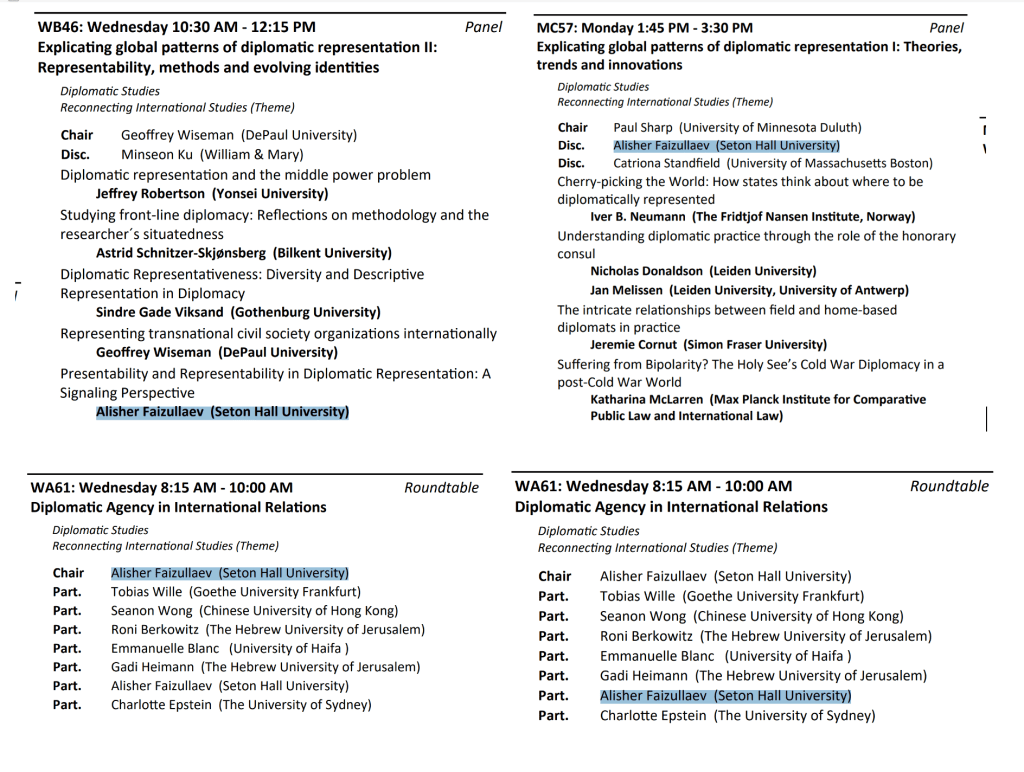
Just finished my participation at the International Studies Association Annual Convention in Chicago with a souvenir photo.

A new video on the Diplomatic Nexus YouTube channel: my conversation with Dr. Jozef Bátora about the European Union’s diplomacy, the organization and the functioning of the EU diplomatic service. Dr. Bátora is a Professor of International Relations at Webster Vienna Private University in Vienna and at the Department of Political Science, Comenius University in Bratislava. He was also a senior researcher at ARENA Centre for European Studies, University of Oslo, researcher at the Austrian Academy of Sciences in Vienna, and visiting scholar and visiting professor at Stanford University.
I recommend it to anyone interested in the EU and European diplomacy.

Some people combine intellectual humility with emotional rebellion, while others pair emotional humility with intellectual rebellion. These states seem to balance each other out. When emotional and intellectual humility coincide, an internal, “underground” revolution of consciousness occurs. And when emotional and intellectual rebellion resonate together, an evident, “above-ground” transformation of the individual and society emerges, changing the world.
A new video on the Diplomatic Nexus channel: my conversation with Dr. Jeremie Cornut on diplomatic practices.

Education is important but character is no less important.
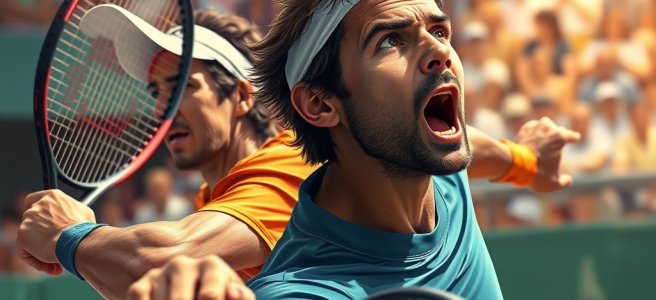
Why is tennis so popular among a wide range of TV viewers? I think one of the reasons is the opportunity to watch not just a tennis match, but a battle of characters. Famous tennis players are famous personalities and characters. Even pauses during a tennis match serve to demonstrate the character of the players. Other netball sports can be no less interesting than tennis, but we know little about the athletes in these sports as personalities and characters. Therefore, all of them are inferior to tennis in terms of watching a battle of characters.
 Alisher Faizullaev